
Sheffield (Sheffield Weather), in South Yorkshire, England, is known for its varied weather year-round. The city’s position on the eastern edge of the Pennines means it experiences a range of meteorological conditions, from brisk northern winds and winter frosts to humid summer spells. Its weather results from both Atlantic and continental influences, leading to frequent changes, making it a compelling study for weather enthusiasts and residents alike.
Current Weather and Forecasts
As of late November 2025, Sheffield is grappling with chilly conditions typical for the season. The temperature hovers around 7°C, often dropping near freezing at night. Wind chills can make it feel even colder. Showers and brisk winds are common, with occasional frost during the night. Periods of sun can brighten afternoons, but rain is a frequent guest in the forecast. Looking forward, the outlook suggests continued cold interspersed with milder, rainier spells.
Annual Climate and Seasonal Changes
Sheffield possesses an oceanic climate (Köppen classification Cfb), which brings:
- Cool, wet winters with average lows near 2°C.
- Mild, sometimes humid summers with highs averaging 20°C.
- Precipitation is well-distributed, with monthly rainfall averaging 50–85 mm.
- Day length swings from around 7.5 hours in midwinter to nearly 17 hours in midsummer.
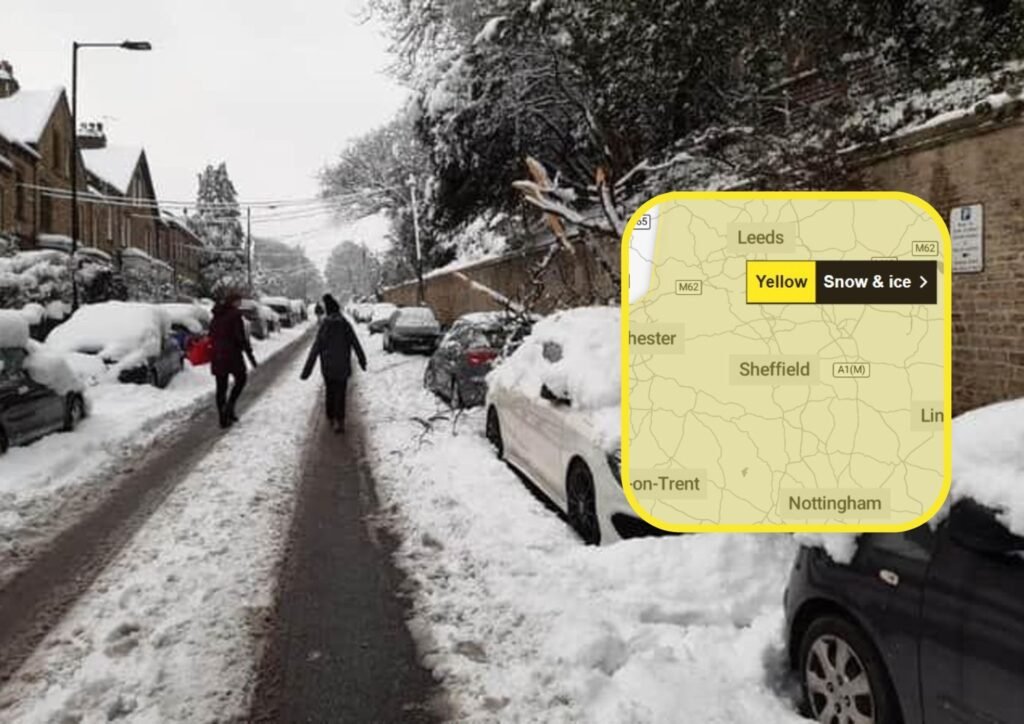
Extreme heat is rare: the warmest summer days sometimes reach 30°C, with notable records such as 33.3°C in June 2015. Winters can occasionally bring snow, though persistent snow cover is infrequent.
Monthly Averages Table
| Month | Avg High (°C) | Avg Low (°C) | Precipitation (mm) |
|---|---|---|---|
| January | 6.1 | 1.4 | 82.9 |
| April | 11.5 | 4.2 | 63.1 |
| July | 20.2 | 12.0 | 53.6 |
| October | 13.6 | 7.4 | 67.4 |
| December | 6.9 | 2.3 | 83.3 |
Sources: Met Office climate averages.
Top Severe Weather Events
While much of Sheffield’s climate is moderate, the city has a storied history with severe weather.
Major Floods
- The Great Sheffield Flood (1864): Triggered by the collapse of the Dale Dyke Dam, sending 650 million gallons cascading into the city, it left over 240 people dead and widespread devastation.
- 2007 Floods: Heavy rainfall in June led to the River Don overflowing, causing catastrophic flooding in the Don Valley and several fatalities. These floods remain etched in Sheffield’s modern memory.
- Other notable floods: Incidents in 1973 and 2018 underlined the city’s ongoing vulnerability to flash flooding.
Gale and Windstorms
- The Great Sheffield Gale (1962): A historic windstorm reached 97 mph, destroying a significant portion of housing and infrastructure. The government declared a disaster area, and emergency services were overwhelmed by the scale of damage.
Climate Change Impacts
In recent decades, Sheffield’s weather has shown shifts associated with climate change:
- Temperatures have increased by nearly 1°C since 2010.
- Annual rainfall has dropped by almost 40%, while humidity trends have decreased.
- Heatwaves are now more frequent, three additional hot days per year compared to the early 2010s.
- Fine particulate air pollution (PM2.5) has worsened alongside these heat trends.
Despite these changes, flooding remains a risk due to sudden heavy rainfall events driven by shifting atmospheric patterns.
Living With Sheffield Weather
Sheffielders often regard the city’s weather as a fact of daily life, shaping everything from outdoor activities to building standards:
- Rainfall makes waterproof clothing and umbrellas essential nearly year-round.
- Winter requires preparation for frosty mornings and occasional disruptions from ice or snow.
- Summers bring pleasant conditions for hiking and enjoying Sheffield’s parks, though sudden showers can interrupt plans.
- The city authorities invest in river management and emergency services to reduce flood risks.
Weather News and Warnings
The majority of weather news in Sheffield revolves around:
- Frequent rain or wind warnings, especially during autumn and winter.
- Advisory notices for icy streets and moderate snow, typically a few times each winter.
- Occasional summer heat advisories, particularly during rare heatwaves.
Residents rely on official sources like the Met Office, BBC Weather, and regional forecast sites for up-to-date alerts.