
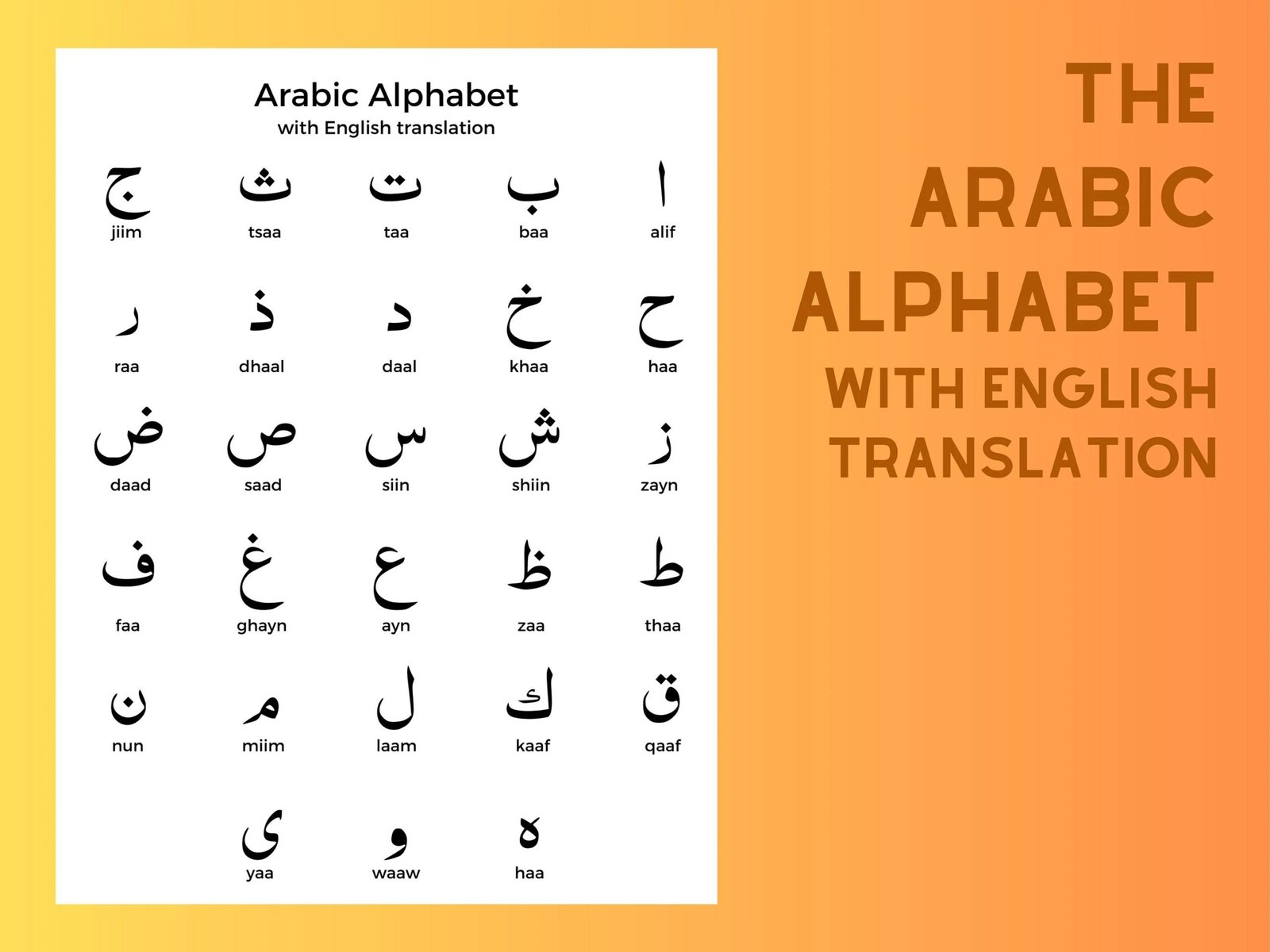
Arabic-to-English (Arabic to English) translation plays a crucial role in cross-cultural communication, international business, and global news reporting. As one of the world’s most widely spoken languages, Arabic is rich, diverse, and full of cultural nuances, making translation both an art and a science. This translation process extends beyond simple word substitution; it involves deep contextual, cultural, and linguistic considerations to ensure that meaning and intent are accurately conveyed.
The Importance of Accurate Translation
Reliable Arabic-to-English translation bridges language gaps and enables effective communication among millions of speakers. Whether it’s for legal documents, medical research, or international news, accuracy in translation is vital for clear understanding and the prevention of misunderstandings. Mistakes can alter meaning, damage reputations, or even have legal ramifications. Increasingly, businesses target Arabic-speaking markets and rely on precise, culturally sensitive translations to build trust and expand globally.
Key Steps in the Translation Process
High-quality Arabic to English translation involves several key steps:
- Initial analysis: The translator identifies the source text’s purpose, tone, and target audience. This sets the direction for proper contextual adaptation.
- Vocabulary and grammar: Translators select precise English equivalents for Arabic words, carefully considering polysemy (multiple meanings) and syntactical differences. Maintaining English grammar, syntax, and sentence structure is essential for clarity and naturalness.
- Cultural adaptation: Idioms, proverbs, and culturally specific references must be adapted or explained to suit English-speaking audiences. The translator bridges gaps in cultural understanding while retaining the original message.
- Proofreading and quality assurance: Collaboration with native or fluent English speakers often ensures the final product is both accurate and idiomatic.
Core Challenges in Arabic to English Translation
There are unique obstacles when translating Arabic to English due to fundamental differences in script, sentence structure, and cultural context:
- Script and direction: Arabic is written right-to-left, while English is left-to-right, which can complicate formatting and digital workflows.
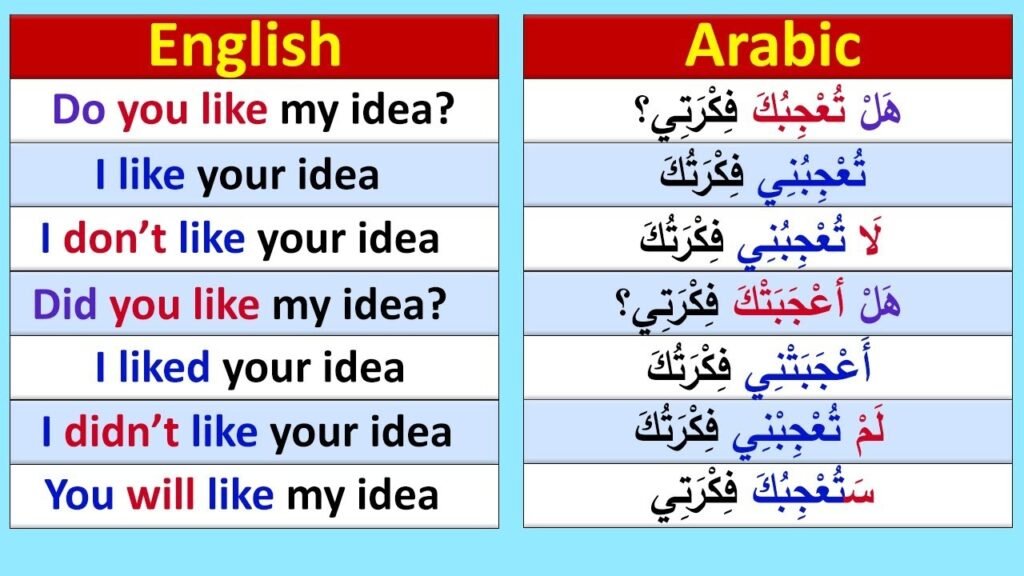
- Linguistic structure: Arabic uses root-based word formation and inflexions, whereas English relies more on word order and auxiliary verbs. This requires translators to restructure phrases to achieve a natural English expression.
- Dialects and variation: Modern Standard Arabic (MSA) is the formal written standard, but dozens of spoken dialects exist. Even native speakers may not understand all dialects; translators must recognise and reconcile these variants.
- Ambiguities and polysemy: Arabic words can have multiple, context-dependent meanings. Accurate translation hinges on understanding the subject matter and intended nuance.
- Cultural references: Expressions, idioms, humour, and cultural concepts may lack English equivalents. Careful adaptation or annotation is required to prevent miscommunication.
Essential Tools and Resources
Advances in technology continue to expand the resources available for Arabic-to-English translation. Some top tools include:
- Neural machine translation platforms, such as Google Translate and DeepL, offer instant translations but can sometimes be imperfect.
- Specialised dictionaries like Almaany provide detailed meanings and connotations.
- Professional translation agencies that offer human-powered translations for business, legal, or highly sensitive content.
- AI-powered platforms tailored for industry-specific jargon, improving both speed and accuracy.
Why Professional Services Matter
Despite the convenience of automated platforms, professional human translators remain vital for nuanced, context-rich projects. Trained experts can:
- Navigate subtle cultural and linguistic nuances.
- Adapt specialised or technical terminology accurately.
- Ensure adherence to correct legal, medical, or industry-specific documentation.
- Provide localised content tailored for business expansion, education, and international diplomacy.
Current Trends and News
Arabic-to-English translation is increasingly in the spotlight in global news due to ongoing political, economic, and diplomatic developments across the Middle East and North Africa. News outlets routinely translate speeches, press releases, and breaking news to keep English-speaking audiences informed and foster international understanding.
Tips for Improving Arabic to English Translation
- Hire translators with deep knowledge of both Arabic and English and proven expertise in relevant fields.
- Pay critical attention to the context, tone, and intended audience of the source text.
- Collaborate for quality control; multiple reviews help catch errors and ensure readability.
- Use advanced digital tools judiciously, but prioritise human oversight for final review.
- Embrace continued education in both linguistic trends and cultural competency.