
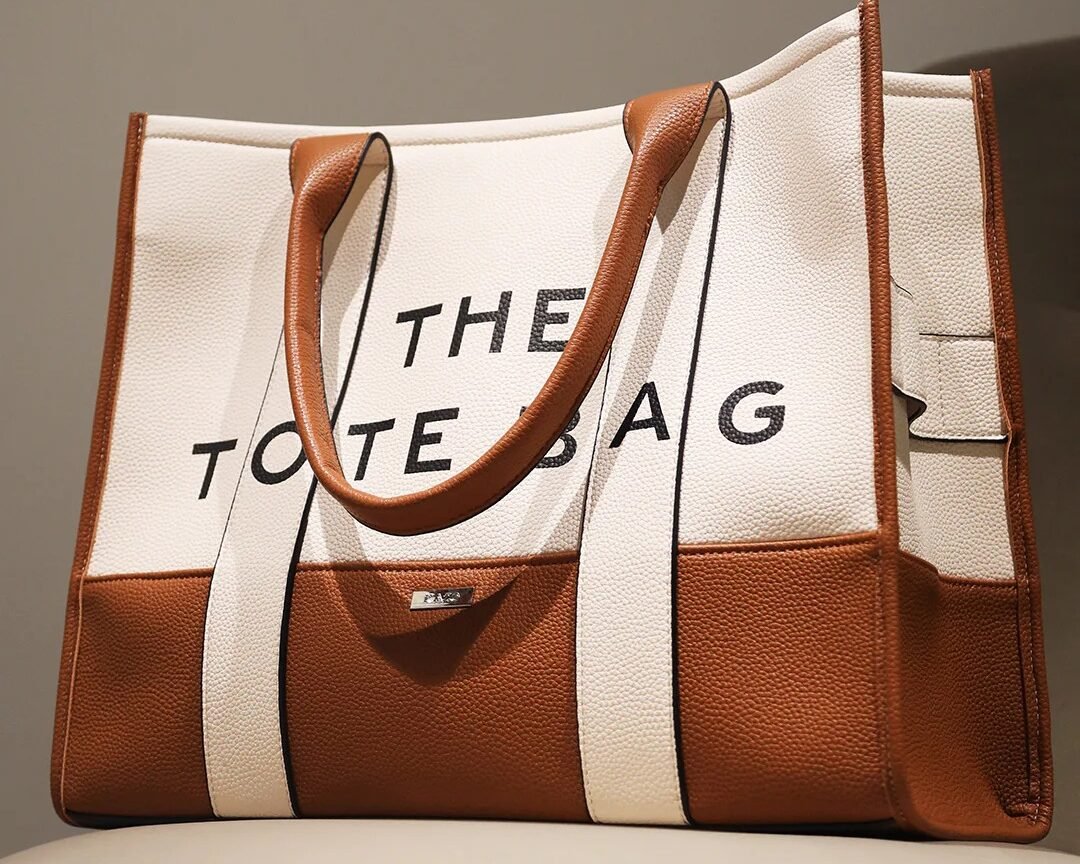
Tote bags are spacious, open-top bags with parallel handles, used today as everyday carry-alls, fashion accessories, and eco-friendly alternatives to plastic shopping bags. Their simple design, wide material options, and customizability have turned them into a global staple for shopping, work, travel, and branding alike.
What is a tote bag?
A tote bag is typically a large, rectangular or slightly trapezoidal bag with two sturdy handles attached to the sides of the main pouch, usually with no or minimal closure at the top. This open-top, unstructured shape makes it easy to toss items in and out quickly, which is why totes are favoured for errands and daily use.
Most totes are carried on the shoulder or by hand, and they range from basic cotton shoppers to structured leather styles that double as handbags or work bags. Because the basic pattern is simple, tote bags are among the easiest styles for brands to personalise with logos, prints, and slogans.
Brief history and evolution
The word “tote”, meaning “to carry”, dates back several centuries, but the modern tote bag emerged much later as a practical carry-all. Early predecessors included simple cloth or leather sacks used across cultures to transport goods long before standardised bag styles existed.
A key milestone was the mid-20th-century canvas tote popularised in the 1940s, originally marketed as a heavy-duty utility bag for hauling ice and groceries. Over time, designers and fashion houses adopted the silhouette, transforming the tote from a purely functional item into a style and status symbol carried in cities worldwide.
Key features and design elements
The defining feature of a tote is its open-top or minimally fastened construction, which prioritises easy access over strict security. Parallel handles on both sides distribute weight evenly and help the bag sit comfortably under the arm or at the elbow.
Internal designs range from completely unlined, single-compartment bags to models with padded laptop sleeves, zipper pockets, and bottle holders. Exterior details like snaps, zippers, magnetic closures, and key leashes are often added to improve practicality while retaining the essential tote shape.
Common materials used
Canvas and cotton are among the most popular tote bag materials because they are durable, washable, and relatively inexpensive. Organic cotton and recycled cotton are increasingly used as consumers and brands look for lower-impact textile options.
Other common choices include jute and other plant fibres for rustic, eco-focused shoppers, nylon and polyester for lightweight travel totes, and leather or faux leather for premium, office-ready designs. Many sustainable lines now incorporate recycled plastics or innovative materials to balance durability with environmental considerations.
Everyday uses and lifestyle roles
Tote bags function as multi-purpose carry-alls for shopping, commuting, studying, and leisure. People commonly use them for groceries, books, laptops, gym clothes, or as a catch-all “dump everything in” daily bag.
Specific use-cases include:
- Work and office bags that fit laptops, notebooks, chargers, and lunch.
- School and college bags that comfortably hold textbooks and tech without looking too formal.
- Beach, picnic, or travel totes to pack towels, snacks, sunscreen, and spare clothes in one roomy space.
Fashion statement and branding power
Beyond utility, tote bags have become style pieces that reflect personal taste, from minimalist solid colours to bold artistic prints. Designer labels offer structured leather totes as luxury handbags, while independent artists use printed canvas totes as wearable art.
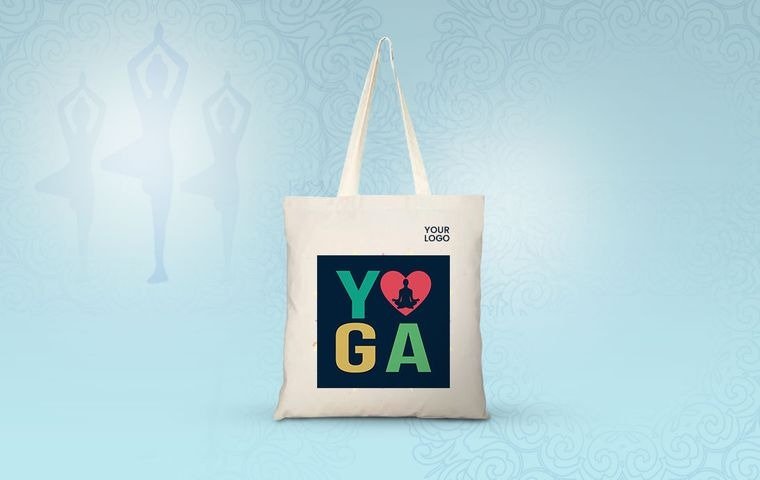
Businesses and organisations rely on tote bags as high-impact promotional items because customers tend to reuse them frequently in public, turning each bag into a moving advertisement. Custom-printed totes are common at events, conferences, and retail stores, where they build brand recognition and convey an eco-conscious image.
Sustainability and eco-friendly trends
Tote bags gained popularity as reusable alternatives to single-use plastic shopping bags, especially as many countries introduced restrictions or bans on plastics. Retailers across sectors now offer reusable totes at checkout, encouraging customers to bring them back instead of taking new disposable bags.
Market reports show rising demand for totes made from organic cotton, jute, and recycled fibres, reflecting a broader shift toward sustainable and ethically produced accessories. Consumers increasingly look for certifications, transparent sourcing, and durable construction so one bag can replace many disposable options over its lifetime.
Types and styles of tote bags
There are several major tote categories, each suited to different needs.
- Classic canvas shoppers: Simple, lightweight, and often unlined, ideal for groceries and errands.
- Structured leather totes: More rigid with reinforced seams, preferred for office wear and professional settings.
- Foldable nylon totes: Pack into small pouches and are popular as backup bags for travel or unexpected shopping.
- Jute and natural-fibre totes: Emphasise sustainability and rustic aesthetics, often used by eco-focused stores and brands.
Some designs blur categories by mixing materials or adding special features like padded tech compartments or water-resistant linings for commuters.
Tote bag market and demand
The global tote bag market has grown steadily, driven by urban lifestyles, fashion trends, and environmental regulations. One recent analysis estimates the market at several billion dollars with continued growth expected through the next decade, helped by demand in regions like Europe, India, and China.
In countries with strict plastic rules and strong sustainability policies, reusable tote adoption is especially high, and retailers often treat them as part of their green branding strategy. Fashion-conscious consumers also fuel demand for designer and limited-edition totes, merging practical function with collectable appeal.
How to choose the right tote
Choosing a tote starts with capacity and purpose: work users should check laptop fit and strap comfort, while shoppers may prioritise lightweight, foldable designs. Material matters for both look and longevity; thicker canvas or leather suits heavy daily loads, while thin nylon or cotton works better as a supplementary bag.
Shoppers increasingly weigh environmental impact, looking for organic, recycled, or responsibly sourced fabrics and quality stitching that ensures years of use. Style and branding then complete the decision, as many people want a tote that not only works hard but also complements their personal or professional image.