

A dehumidifier is essential for transforming humid spaces into healthier, more comfortable environments by removing excess moisture from the air.
A dehumidifier is an appliance designed to extract moisture from the air to maintain optimal humidity levels, generally between 30% and 50% relative humidity (RH). By keeping humidity at bay, these devices prevent mould, mildew, condensation, and structural damage, and also improve overall indoor air quality.
How Dehumidifiers Work
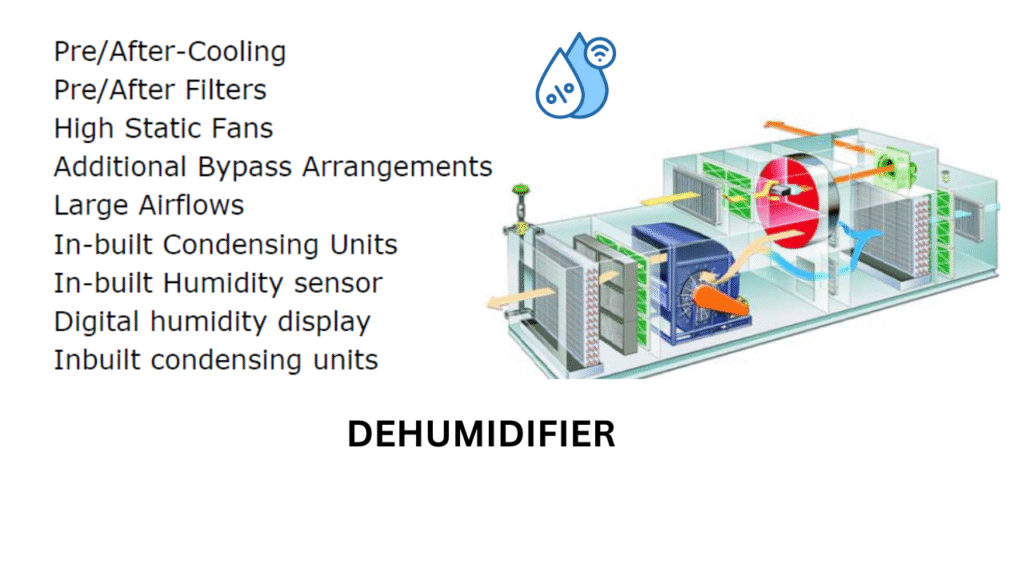
Most modern dehumidifiers operate on a basic principle involving air intake, cooling, condensation, and reheating:
- Air Intake: A built-in fan draws in humid air, typically passing it through a filter to remove dust and particulates.
- Cooling & Condensation: The air moves across chilled evaporator coils, cooled by refrigerant such as R-32, causing the water vapour present to condense into liquid droplets.
- Water Collection: Droplets fall into a removable water collection tank or are drained directly via a hose attachment.
- Reheat & Air Release: Drier, slightly warmer air is returned to the room after passing over the condenser coils, making the process more energy efficient.
New types, such as desiccant dehumidifiers, use specialised materials (like silica gel or advanced MOFs, metal-organic frameworks) to absorb moisture before regenerating and expelling dry air, which is particularly useful at low temperatures.
Types of Dehumidifiers
- Refrigerant (Compressor) Models: Best for warmer climates, these utilise refrigerated coils to condense moisture.
- Desiccant Models: Effective in cooler spaces, these absorb water onto drying agents and are now available with high-tech MOF rotors for improved efficiency and lower regeneration temperatures.
- Ventilating Dehumidifiers: Pull air from outside and mix it with indoor air to reduce moisture, ideal for crawl spaces or basements.
- Whole-Home & Commercial Models: Designed for large-scale dehumidification, often ducted and integrated with HVAC systems for buildings, warehouses, and even pharmaceutical manufacturing.
2025’s Technological Advances
The dehumidifier industry has seen notable innovation in 2025:
- Smart Features: Wi-Fi connectivity, real-time humidity sensors, and mobile app integration allow precise control and monitoring.
- Energy Efficiency: Refrigerant evolution (e.g., R-32) and variable-speed compressors/fans minimise energy consumption, with ENERGY STAR certification being a mark of excellence.
- Advanced Materials: Nobel-winning MOF technology in products like the Bry-Air P80x rotor boosts drying performance and cuts energy use by over 50% compared to old silica gel models.
- Integration with Smart Homes: Models like the Frigidaire FFAD3 connect to networks for customised scheduling and mobile alerts.
- Commercial Innovations: New units integrate with heat pumps and deliver top-tier efficiency for industrial and pharmaceutical applications, responding to strict environmental and product safety regulations.
Health and Environmental Benefits
- Allergy & Mould Prevention: By keeping RH below 60%, dehumidifiers starve mould, mildew, and dust mites of the dampness they need to thrive, resulting in healthier air and fewer respiratory issues.
- Structural Safeguard: Limiting humidity protects walls, furniture, electronics, and stored goods from rot, rust, and corrosion.
- Energy Savings: Dry air is easier to cool and heat, so HVAC systems use less energy, reducing energy costs, especially with models that feature automatic humidity sensors and shut-off features.
Choosing the Right Dehumidifier
1. Sizing and Capacity
- Room Size Matters: Units are rated by the volume of water removed per day (pints or litres). Match the dehumidifier’s capacity to the area’s square footage and typical moisture load.
- Common Sizes:
2. Key Features
- Auto Shut-Off and Tank Alerts: Essential for safety and hassle-free operation.
- Continuous Drainage: Hose attachments for automatic draining, essential for basements.
- Humidity Controls: Adjustable settings and digital displays provide precision.
- Mobility: Wheels and handles for easy movement.
- Noise Levels: New models operate quietly (<50 dB), crucial for bedrooms and offices.
3. Energy Efficiency
- IEF Rating (Integrated Energy Factor): Measures litres of water removed per kWh, look for higher values. The best 2025 models rate above 1.8 L/kWh.
- Smart Sensors: Prevent unnecessary cycling and energy waste, maximising savings.
Leading Dehumidifier Models of 2025
| Model | Capacity (L/Day) | IEF (L/kWh) | Special Feature | Best For |
|---|---|---|---|---|
| Midea 50 Pint Cube | 23.7 | 1.95 | Cube design, Wi-Fi, smart sensors | Home, apartments |
| Frigidaire FFAD5033W1 | 23.7 | 1.8 | Proven reliability, fast reduction | Home, retrofits |
| AprilAire E080 | 36.3 | 2.35 | Whole-home integration, commercial | Commercial/residential |
| Bry-Air P80x with MOF Rotor | Customizable | >2.0 | MOF technology, industrial class | Pharma/Industry |
| Carrier DC-21KX | 21 | High | Multifunctional, air purification | Asia, homes |
Maintenance Tips
- Regularly empty or drain the water tank to prevent spillage and maintain hygiene.
- Clean filters and coils monthly to prevent clogging and reduce allergen buildup.
- Check for frost on coils in colder settings, and ensure the model has an auto-defrost feature to avoid energy waste.
- Inspect hoses and drainage connections for leaks or blockages to ensure proper operation.
The Dehumidifier Market Outlook
The dehumidifier market is booming with a projected global value exceeding $4.5 billion by 2033, driven by rising eco-awareness, health focus, and climate challenges. Regional demand (particularly in South and Southeast Asia) is driving new product launches with greater efficiency, smart controls, and improved moisture-removal capacity for both homes and businesses.