
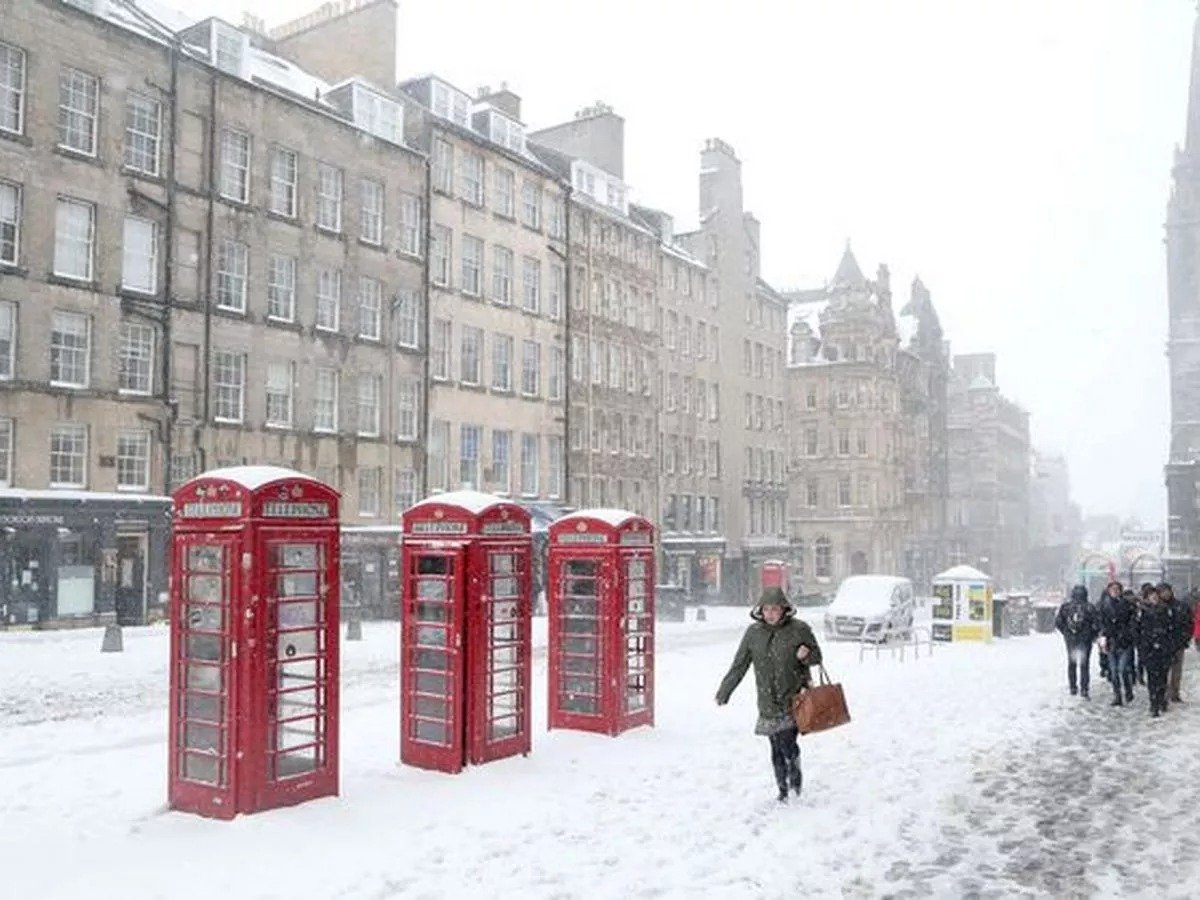
Edinburgh ( Edinburgh Weather) is known for its temperate maritime climate, characterised by mild summers, cool winters, and year-round precipitation. The city’s proximity to the North Sea influences frequent weather changes and sometimes rapid shifts in temperature and sky conditions. In 2025, Edinburgh continues to experience variable but increasingly milder and wetter conditions, reflecting larger climate trends.
Current Weather: November 2025
As of late November 2025, Edinburgh is experiencing cold and partly cloudy days, with overnight temperatures dropping close to freezing. Minimum temperatures have reached -3°C, and maximum temperatures hover around 10°C. The evenings have been clear, but widespread frost is common, especially with the mostly cloudless skies. Occasional rain is expected midweek, accompanied by breezy and milder conditions. The current trend for late autumn is chilly, with short bursts of sunshine alternating with cloudy, rainy intervals.
Edinburgh Weather: Seasonal Patterns and Monthly Averages
- Winter: January and February are typically the coldest months, with average lows near 1°C and highs rarely above 7°C. Snow is uncommon, but heavy rain and fog are frequent, contributing to a damp, brisk atmosphere.
- Spring: Temperatures begin to rise, although chilly winds persist. March and April bring more daylight and occasional sunny spells, with average highs climbing to 10°C.
- Summer: July and August see average highs of around 19°C, with extended daylight and mostly mild weather. However, rain showers can occur at any time, so locals and visitors often carry light jackets or umbrellas even in summer.
- Autumn: The transition to autumn in Edinburgh is marked by more cloudy days, rainfall, and fog. October and November typically feature only a couple of sunny days each month, with about half the days being rainy and the remainder split between cloudy and mixed conditions.
Recent and Historic Weather Extremes
Recent years in Edinburgh have featured increased variability, with occasional summer heatwaves, prolonged rainy periods, and more impactful winter storms. January 2025, for instance, recorded temperatures ranging from lows of -7°C to highs nearing 12°C, with several days of heavy rain and high humidity. Occasionally, Edinburgh also experiences strong winds, earning it the nickname “windy city,” although other UK regions may be windier on average.
Weather Statistics Table for Edinburgh
| Month | Avg. High (°C) | Avg. Low (°C) | Rainy Days | Sunny Days | Snow Days | Humidity (%) |
|---|---|---|---|---|---|---|
| January | 7 | 1 | 14 | 2 | 0 | 80–90 |
| April | 10 | 3 | 12 | 4 | 0 | 70–80 |
| July | 19 | 11 | 10 | 7 | 0 | 65–75 |
| October | 13 | 7 | 14 | 2 | 0 | 75–85 |
| November | 10 | 3 | 14 | 1–2 | 0 | 80–90 |
Severe Weather Warnings and Air Quality
The Met Office frequently issues weather warnings for Edinburgh, especially for heavy rain, strong winds, or frost. Flooding is occasionally a risk during periods of intense rainfall, particularly in autumn and winter. Air quality in Edinburgh is generally good, though densely populated or high-traffic areas can see modest increases in pollution, particularly during calm weather with little wind.
Climate Trends and Climate Change Impacts
Edinburgh is projected to experience gradually warming temperatures across all seasons, with more pronounced warming and drier spells projected for summer, and increasingly mild, wetter winters. Heavy rainfall events are expected to increase in both winter and summer, increasing the potential for flash floods. These trends are consistent with broader climate change patterns across the UK, including more frequent and unpredictable extreme weather events.
- The climate change severity score for 2025 in Edinburgh has been rated “high,” though recent improvements are noted.
- Warmer, drier summers could pose water management challenges.
- The rise in sea level will add further risk to certain low-lying areas along the coast and the Firth of Forth.
Forecast for the Coming Days
The immediate forecast includes:
- Cold, mostly dry nights with widespread frost.
- Increasing cloud cover by midweek, with rain arriving from the southwest.
- Peak temperatures around 10°C by day, falling to near or below freezing overnight.
- Periods of breezy, milder air are expected later in the week as southwest winds strengthen.
Long-range forecasts indicate continued variability, with alternating spells of mild, damp air and cold, clearer intervals. Occasional showers are likely to persist throughout the rest of autumn and into early winter.
Visitor Tips for Edinburgh’s Weather
- Layering is essential, especially in spring and autumn, due to swift changes in temperature and conditions.
- An umbrella or raincoat is recommended year-round.
- In winter, watch for ice and slippery pavements, even if snow is rare.
- The weather can feel colder due to wind chill, especially on higher ground or near the coast.