
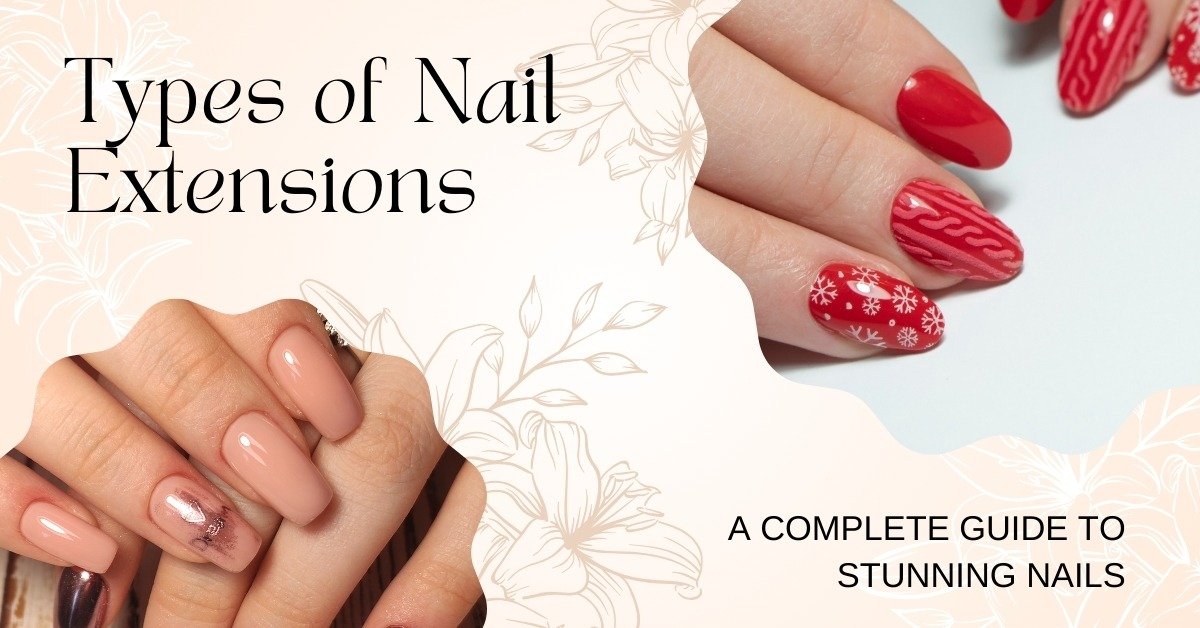
Nails are small but powerful indicators of health, protection, and personal style, making them one of the most important yet overlooked parts of the body. Understanding their structure, common problems, care tips, and current fashion trends helps keep them strong, healthy, and stylish.
What nails actually are
Nails are hard, keratin-based plates that sit on the tips of your fingers and toes, protecting the sensitive ends of the digits and supporting fine motor tasks like gripping and scratching. They are made of tightly packed, dead keratin cells produced by living tissue under the skin, similar to hair but organised in a flat, rigid plate.
Healthy nails are usually smooth, slightly curved, and uniform in colour, with a pinkish tone from the underlying blood supply. Changes in colour, shape, or texture can signal local issues like trauma or infection, or sometimes underlying health or nutritional problems.
Key parts of the nail unit
Each nail has several components: the nail plate (the visible hard surface), the nail bed (the skin underneath), the matrix (the growth centre), and the surrounding folds of skin. The pale half-moon at the base of some nails, called the lunula, is the visible part of the matrix where new nail cells are formed and pushed forward.
The cuticle and nail folds act as a seal that protects the matrix from bacteria, chemicals, and irritants. The lateral nail folds on the sides provide cushioning and structural support, and any imbalance here can contribute to issues like ingrown or separated nails.
What healthy nails look like
Healthy fingernails and toenails are generally smooth, without pits, deep grooves, or major thickening, and they grow steadily over time. Normal colour ranges from pink to light beige with a consistent tone; staining from polish or slight white spots from minor trauma are usually harmless.
Subtle vertical ridges can appear with age and are often benign, while sudden, dramatic changes in thickness, colour, or curvature deserve medical attention. Nails that are persistently brittle, discoloured, or painful may reflect nutritional deficiencies, chronic irritation, or systemic disease.
Common nail problems
Frequent nail concerns include brittleness, splitting, soft or weak nails, peeling, ridges, and discolouration. Many of these issues are related to repeated wetting and drying, harsh chemicals, nail-biting, tight shoes, or aggressive manicures and pedicures.
More specific conditions include fungal infections, ingrown nails, psoriasis-related nail changes, and inflammatory infections around the nail folds called paronychia. Warning signs like sudden dark streaks, severe thickening, painful swelling, or clubbing (curved nails with enlarged fingertips) should be evaluated by a dermatologist or healthcare professional.
What can nails say about health?
Nails can act as subtle indicators of overall health, especially when changes are sudden or affect multiple nails at once. Issues like persistent brittleness, unusual ridges, clubbing, or significant colour changes can sometimes point to thyroid disease, lung or heart problems, nutritional deficiencies, or autoimmune conditions.
Abnormalities such as yellow, thickened nails are often linked to fungal infections, while green discolouration can suggest certain bacterial infections. Because the nail plate grows slowly, new healthy growth after treatment or lifestyle changes may take months to fully appear.
Essential nail care habits
Good nail care starts with gentle, regular trimming using clean, sharp tools, cutting straight across for toenails and slightly rounded for fingernails. Filing in one direction with a fine file helps smooth edges and prevents splitting or fraying.
Moisturising it and the surrounding area with creams or oils reduces dryness and brittleness, especially after handwashing or exposure to water. Wearing gloves for cleaning, dishwashing, or chemical exposure protects it and cuticles from repeated damage.
Salon treatments and extensions
Manicures and pedicures can improve appearance and confidence, but over-frequent treatments or harsh techniques can thin, dry, or separate the nail plate. Strong filing, aggressive cuticle cutting, and repeated soaking in chemicals may increase the risk of infection and weaken nails over time.
Nail extensions and gels add length and design flexibility but need proper application, maintenance, and removal to avoid damage. Allowing breaks between intense nail services and choosing trained, hygienic professionals helps keep natural nails healthier in the long run.
Nail trends and fashion in 2025
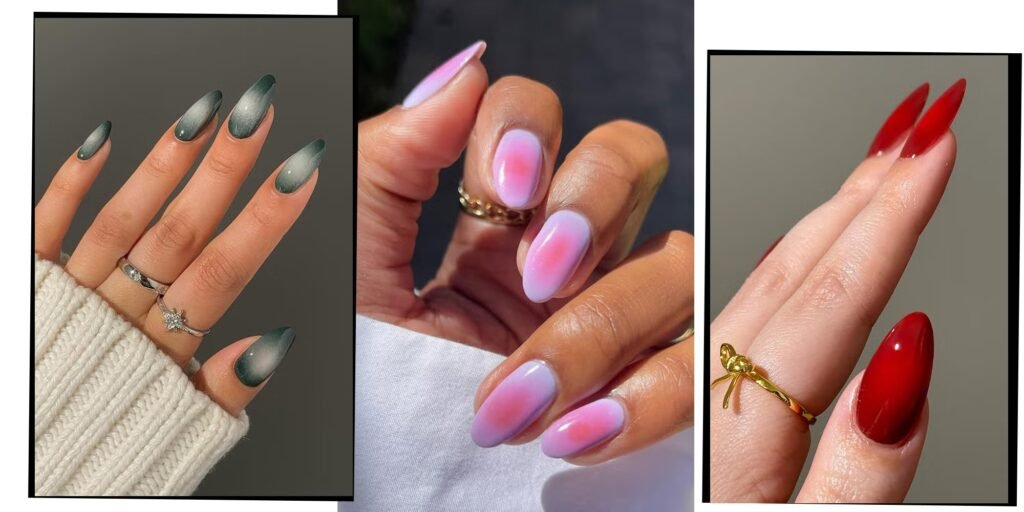
It is now a major fashion statement, with shapes, finishes, and art evolving each season. For 2025, trends include oval and almond shapes, short, neat “squoval” options, and designs that emphasise texture, light effects, and soft, wearable colours.
Popular looks include milky and “soap” it with fresh, spa-like shine, magnetic cat-eye finishes, iridescent chrome, 3D “jelly” art, and modern twists on French tips with bold colours. Sustainable choices, like gentler formulas and longer-lasting, versatile designs, are also gaining attention among nail enthusiasts.
When to see a professional
Certain nail changes should prompt a visit to a dermatologist or healthcare provider rather than just a salon. These include persistent pain, dramatic shape changes, splitting that does not improve, pronounced pitting, severe thickening, or new dark streaks or spots under the nail.
Repeated infections, lifting from the bed, or swelling and pus around it also need a medical evaluation to rule out serious infections or underlying disease. Early assessment can prevent long-term damage to the nail unit and sometimes uncover broader health issues that need treatment.
Simple tips for stronger nails
A balanced diet with adequate protein, iron, and vitamins supports steady, healthy nail growth from the matrix. Staying hydrated and limiting habits like nail-biting or using nails as tools helps reduce daily trauma.
Keeping polish-free days, using gentle removers, and choosing quality products can reduce dryness and staining. With consistent care and awareness, it can remain strong, comfortable, and a stylish reflection of personal taste.