

Ireland clinched a comprehensive 41-10 victory against Japan in the Autumn Nations Series, running in six tries despite spells of sloppiness that kept the match unpredictable for much of its duration. This fixture at Dublin’s Aviva Stadium was defined by Ireland’s ability to recover from a shaky opening half and impose its physical and tactical dominance as the game wore on.
Match Overview
The much-anticipated clash saw Ireland enter as heavy favourites, yet the opening stages were anything but comfortable for the hosts. Japan, renowned for its attacking flair, gained early possession and threatened the Irish line, forcing breakdown turnovers and forcing the Irish defence to work overtime just minutes into the game.
Japan’s momentum received an untimely blow in the first quarter, as centre Charlie Lawrence was shown a yellow card for dangerous play. Ireland capitalised immediately, with fly-half Jack Crowley racking up 10 points through a penalty, a try, and a conversion during Japan’s numerical disadvantage. Flanker Nick Timoney added a second Irish try, seemingly putting Ireland firmly in control at 17-0.
Nevertheless, the hosts faltered, exhibiting the same inconsistencies that had dogged recent performances. Disjointed play and lapses in discipline allowed Japan to claw back into the contest: a converted try and penalty shrank the gap to 17-10 at halftime, a score much closer than the preceding quarter suggested.
Second-Half Transformation
At halftime, Ireland faced further adversity when Jacob Stockdale was binned, leaving the side short-handed. Remarkably, Ireland responded with resilience. Andrew Porter crashed over for a third try, extending the lead and settling nerves in the stands.
Coach Andy Farrell injected fresh energy through substitutions. Brothers Sam and Cian Prendergast joined the fray, while Jack Conan and others shored up the pack. The impact was instant and decisive: Ireland’s forwards dominated collisions and set-piece play, overwhelming Japanese resistance.
Gus McCarthy, newly on for Ronan Keller, finished a maul to secure Ireland’s fourth try with just over ten minutes left. Paddy McCarthy followed five minutes later, capitalising on forward pressure to add to the tally. Tommy O’Brien rounded off proceedings, finishing a flowing counter-attack for Ireland’s sixth and final try, adding gloss to a scoreline that did not always reflect the competitive nature of the contest.
Key Performers and Tactical Highlights
Several Irish players stood out, particularly Jack Crowley, who executed Ireland’s tactical kicking game, accruing points and setting the tempo. Nick Timoney’s industrious work rate earned him a try, while Andrew Porter’s power and determination turned the tide early in the second half.
Japan’s spirited effort saw glimpses of their trademark movement and ambition, their first-half comeback fueled by swift offloads and creative running lines. However, their discipline faltered, with Lawrence’s yellow card and missed defensive assignments, particularly at the maul, proving costly.
Ireland’s set-piece was much improved compared to their first-half disarray, especially in the lineout and rolling mauls, which provided the platform for late tries. The hosts were able to weather Japanese counter-attacks, converting turnovers into decisive territory gains and, ultimately, points.
Post-Match Reactions
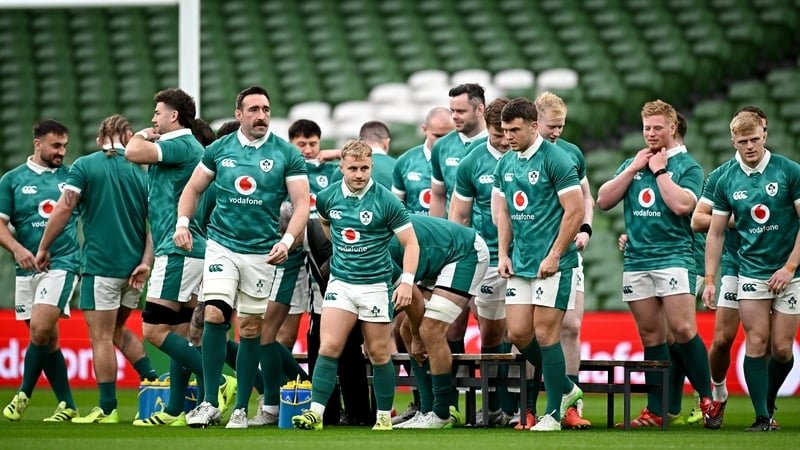
Irish coach Andy Farrell acknowledged the mixed performance. While pleased with the second-half surge and the impact of substitutes, he warned that the errors and slow start must be addressed ahead of sterner tests against Australia and South Africa. The scoreline’s emphatic nature belied stretches of Irish sloppiness that better teams could exploit in future fixtures.
Japan’s resilience earned plaudits, with head coach Jamie Joseph emphasising the positives in retaining possession and asking questions of Ireland’s defence. However, he regretted the lapses that allowed Ireland to build an unassailable lead in the closing stages of the match.
Statistical Breakdown
In summary, Ireland ran in six tries, with Crowley (penalty, try, conversion), Timoney, Porter, G. McCarthy, P. McCarthy, and O’Brien all finding the line. Japan’s sole try and penalty exemplified their perseverance, but their inability to withstand Ireland’s rolling mauls and cope with set-piece pressure ultimately decided the contest.
| Team | Tries | Conversions | Penalties | Final Score |
|---|---|---|---|---|
| Ireland | 6 | 4 | 1 | 41 |
| Japan | 1 | 1 | 1 | 10 |
Implications and Next Steps
Ireland’s victory, while riddled with early errors, provided a timely boost ahead of tougher autumn fixtures. The six-try haul underscored the squad’s attacking capability, while the return of key personnel bolstered confidence that lapses can be corrected in the coming weeks. The build-up toward matches against Australia and South Africa will demand greater accuracy and focus.
Japan, meanwhile, showcased phases of electric rugby and defensive grit, but struggled with discipline and execution of set pieces. Their head coach will look to instil greater consistency, as their famed attacking style can trouble opponents if not undermined by yellow cards and missed tackles.